Jaguar : XJ40
1986–1994
Model Introduction
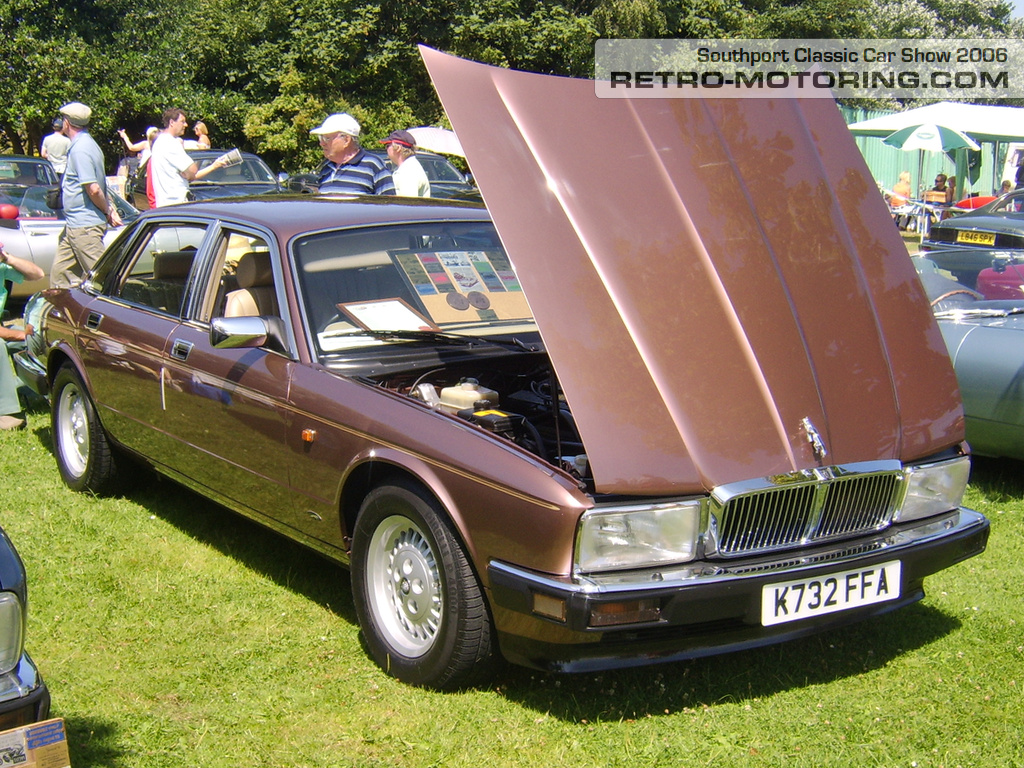
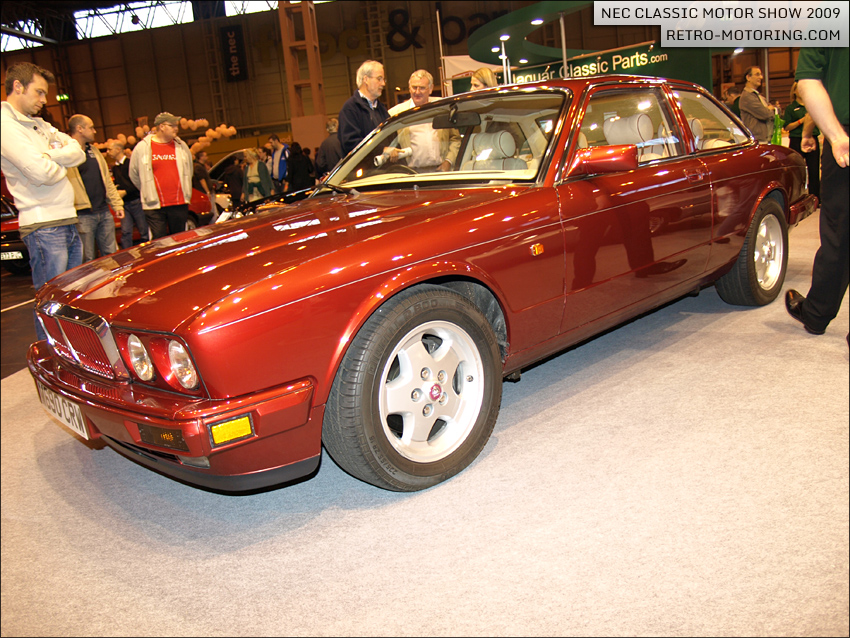
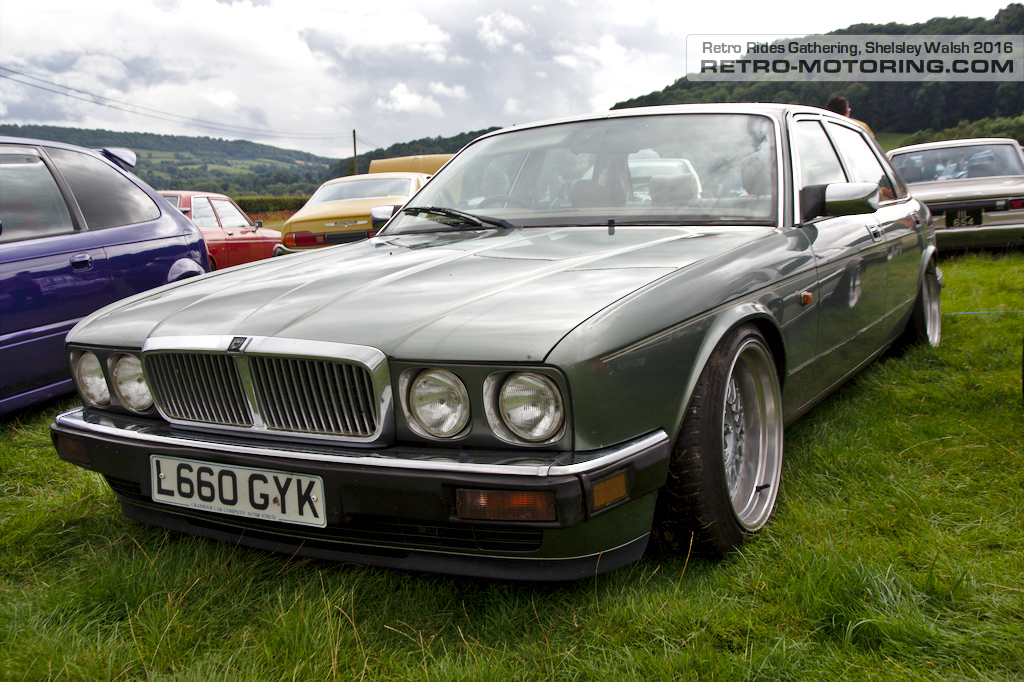
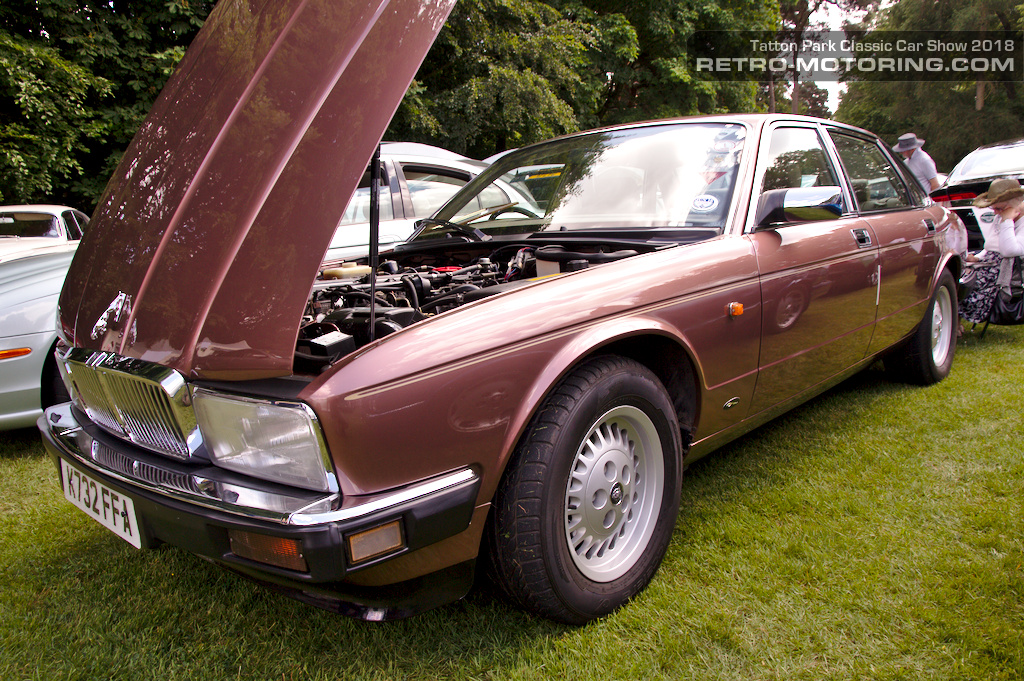
The Jaguar XJ40 launched in 1986 as the long-awaited successor to the original XJ6, marking a bold leap into modernity while preserving the essence of Jaguar refinement. Developed over more than a decade, it featured a stiffer bodyshell, advanced electronics, and a brand-new engine range—most notably the AJ6 straight-six, a lighter, smoother, fuel-injected unit that replaced the ageing XK. The styling, though still recognisably Jaguar with a low bonnet and prominent grille, was more geometric and contemporary, with square headlamps and wide rear arches setting it apart from the Series 3. Inside, the digital dashboard on early models was a brave step forward, though not universally loved. The XJ40 won praise for its ride and composure, particularly in Sovereign and Daimler trims, and despite teething troubles with some electronics, it helped bring Jaguar into the modern era while remaining distinctively British.
Magazine articles (6)
Magazine Articles
-

New Jag!
Under its purpose-built GRP disguising sits Jaguar's 1985 Mercedes-buster, the XJ40, snapped in France cruising on an autoroute
-

Long Term Test : Jaguar XJ6 3.6
-

Asides
Jaguar's award winning electrical system for the XJ6 will become £19.20 a car cheaper thanks to four apprentices. They worked out how to reduce the number of components needed to operate the rear lights. The Jaguar's electrical system received a Design Centre award.
-
Rhine Gold
Take one thoroughly English Jaguar XJ6, one highly respected German tuner, stir in two Japanese turbochargers and a dash of style, and what do you get? You get the elegantly understated 330bhp, 160mph Arden Biturbo Jaguar which Brian Laban has been driving around the Lower Rhineland district from where it hails
-

Fresh air and fun
JaguarSport XJR-3.6
-

Smoother, fiercer cat
For increased smoothness as much as for extra grunt, Jaguar has increaased the size of the 24-valve, six-cylinder fitted to the XJ-6 from 3.6 to four litres. Some other important improvements have been made to 1990 models.