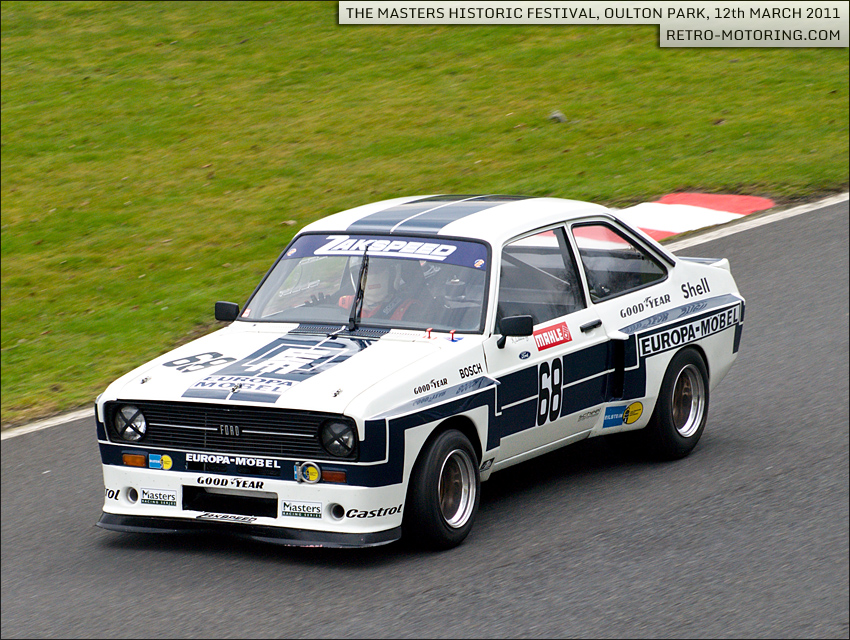
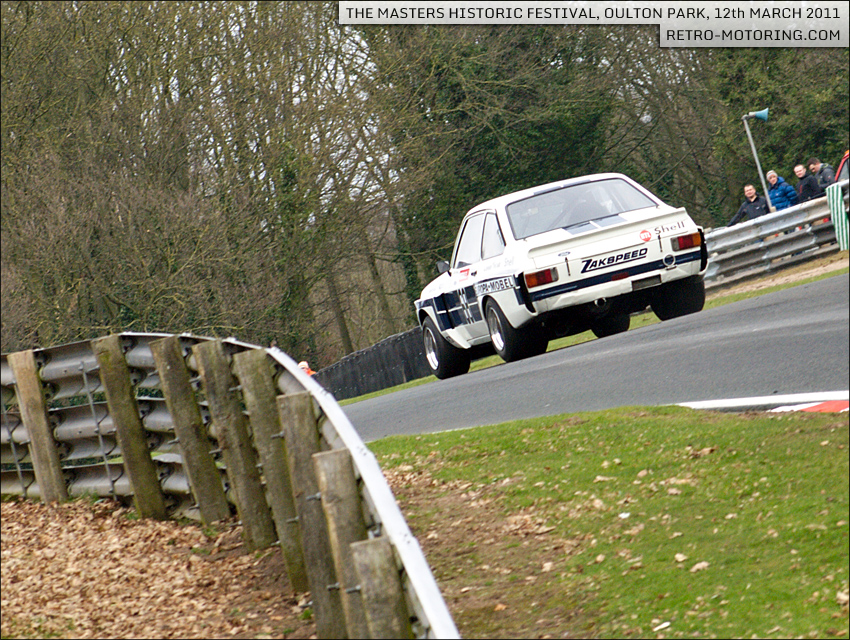
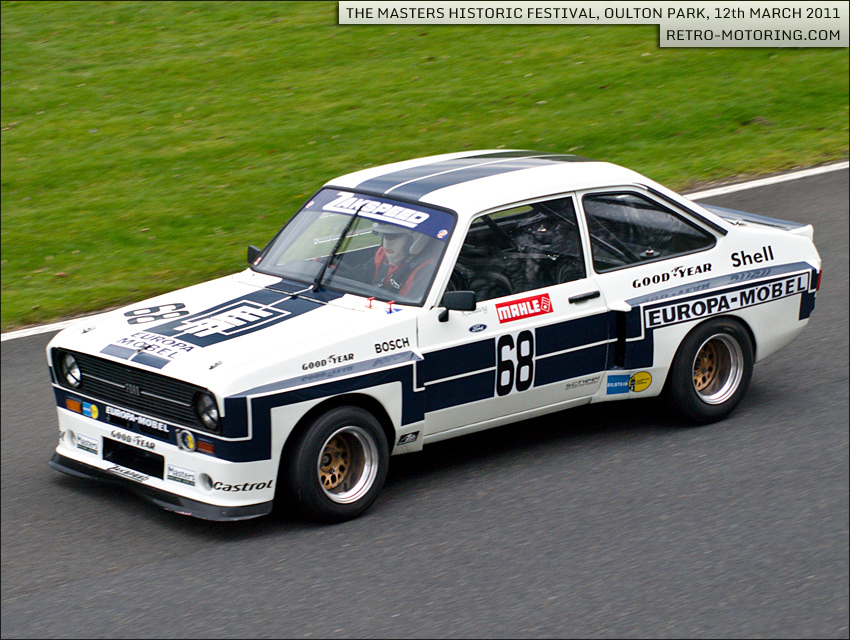
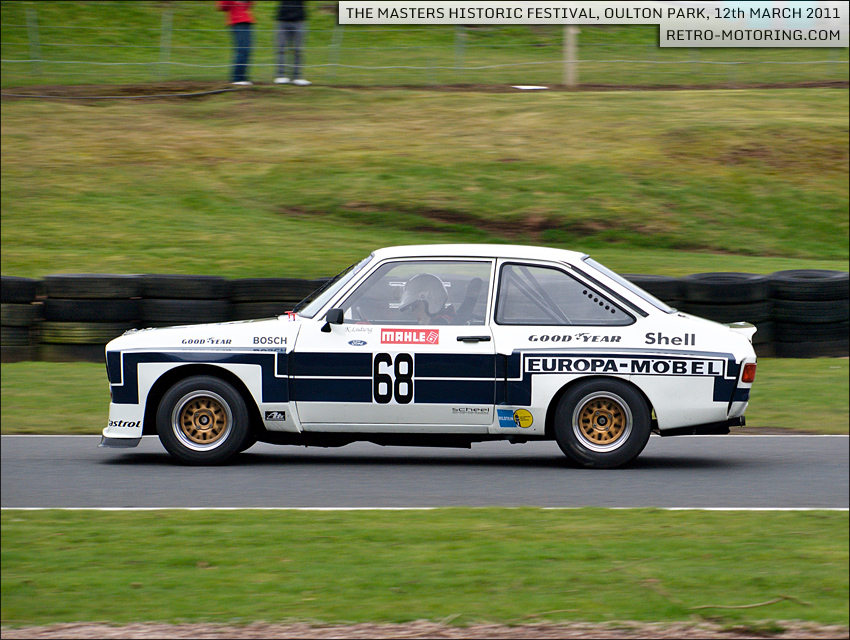
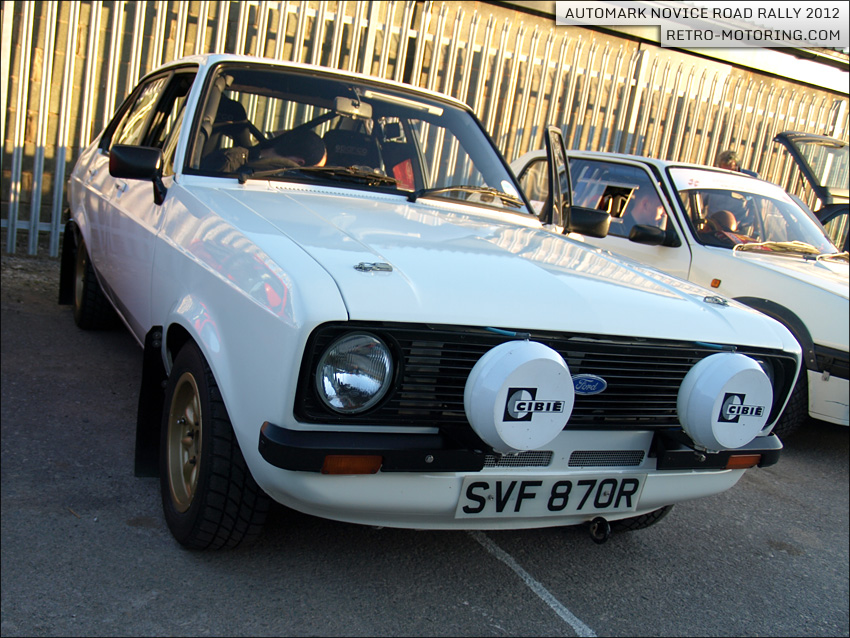
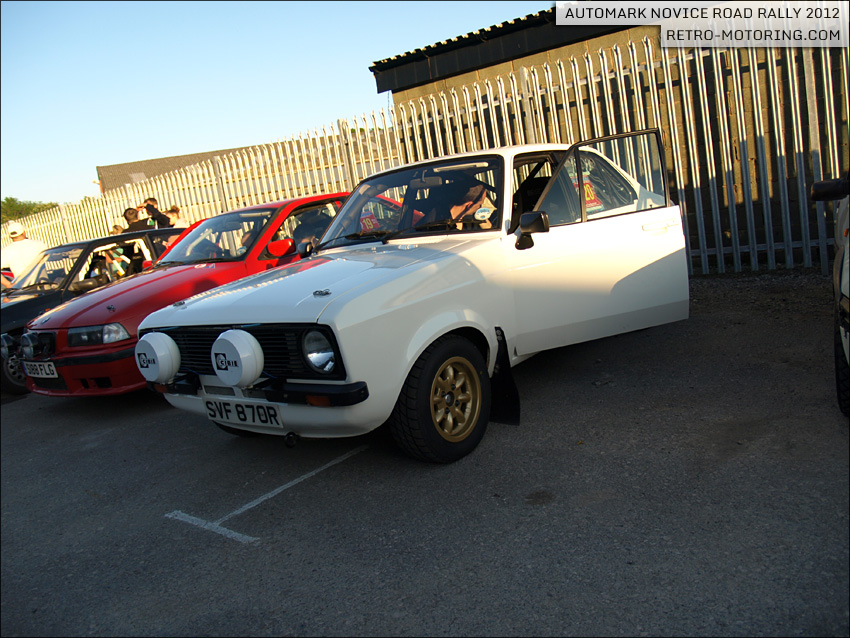
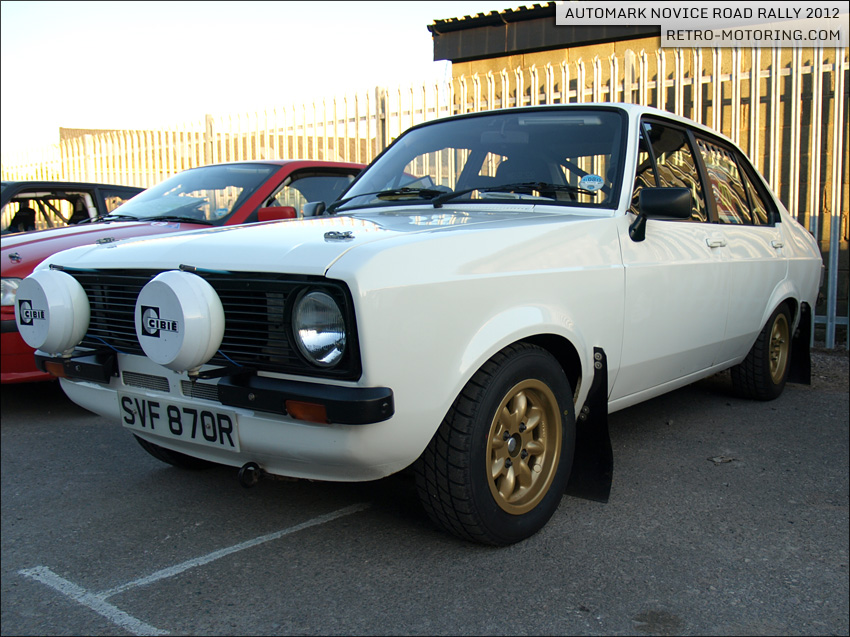
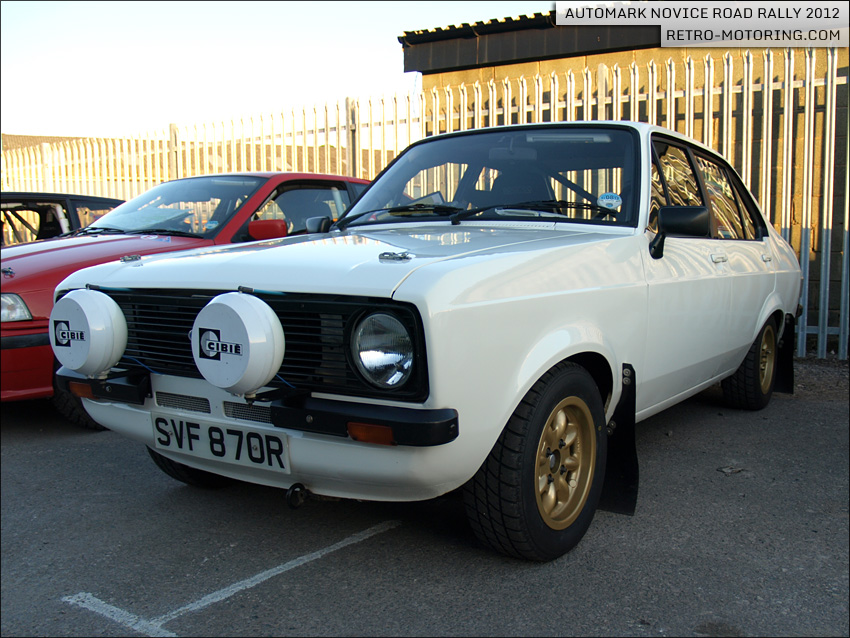
Ford : Escort Mk2
1975–1980
Model Introduction
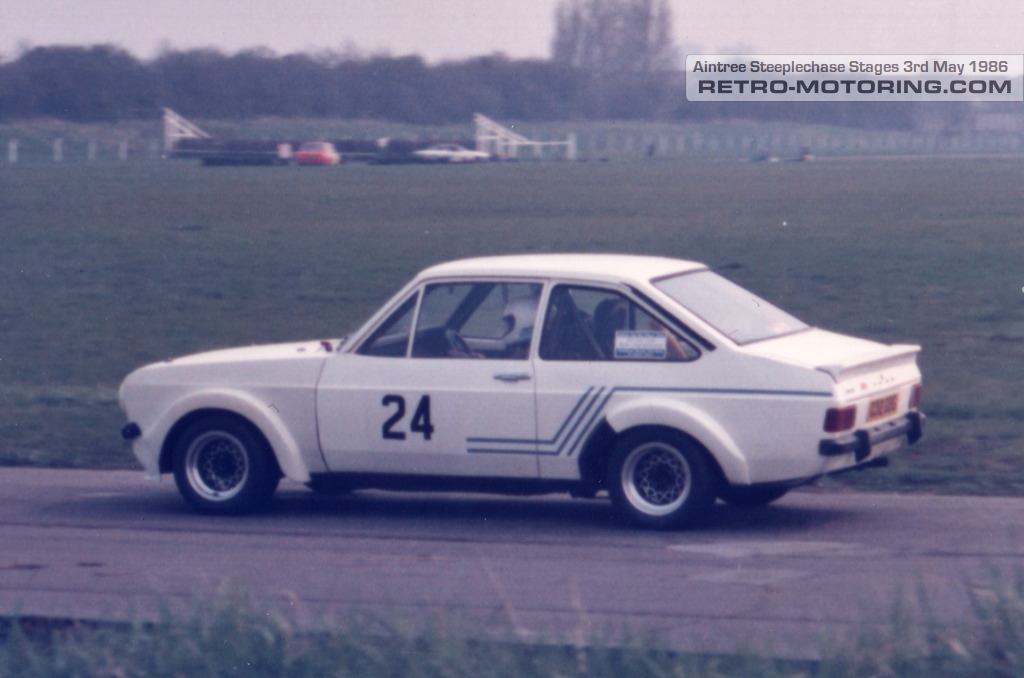
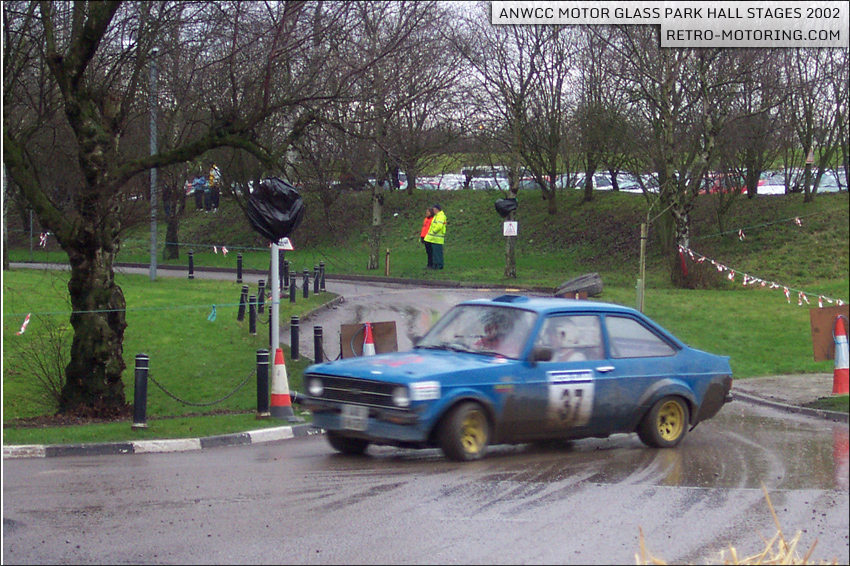
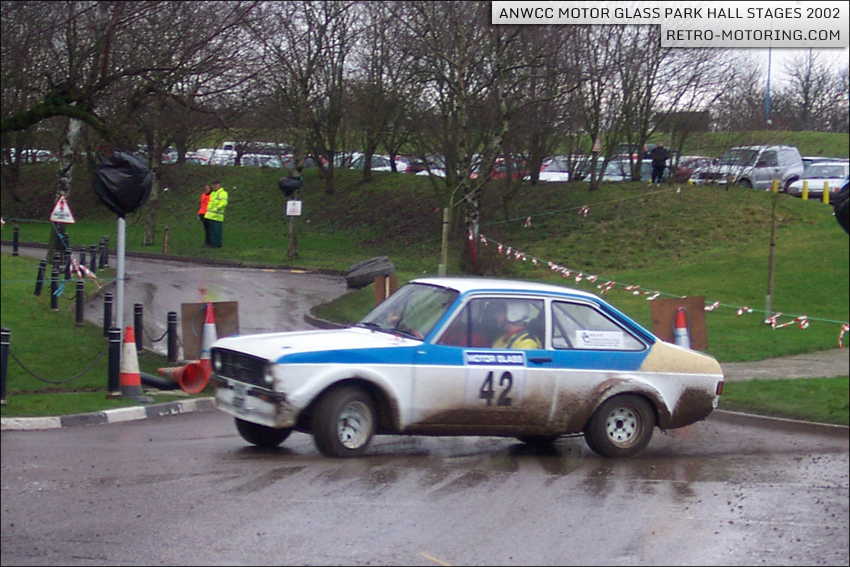
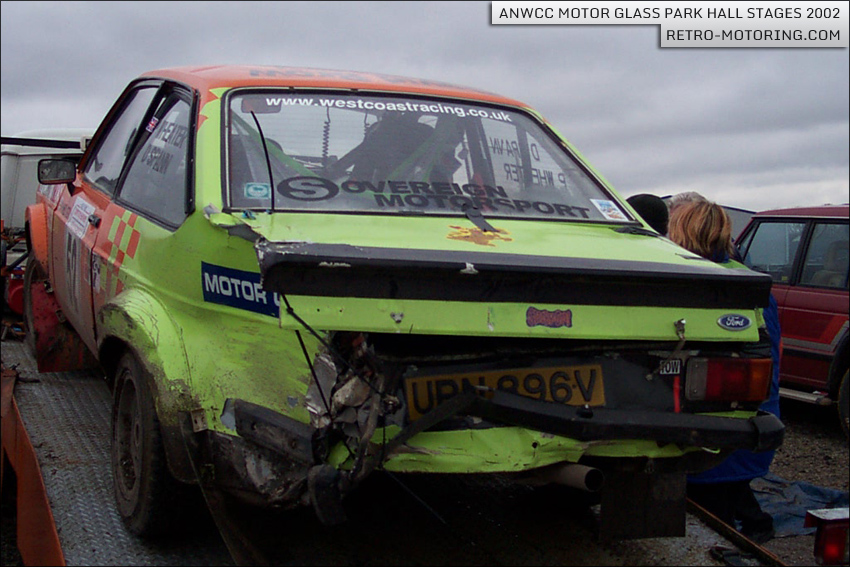
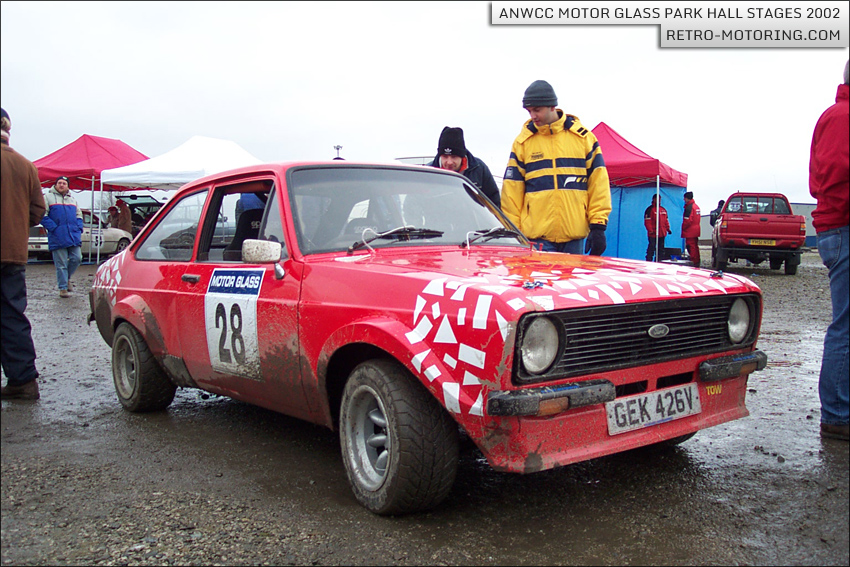
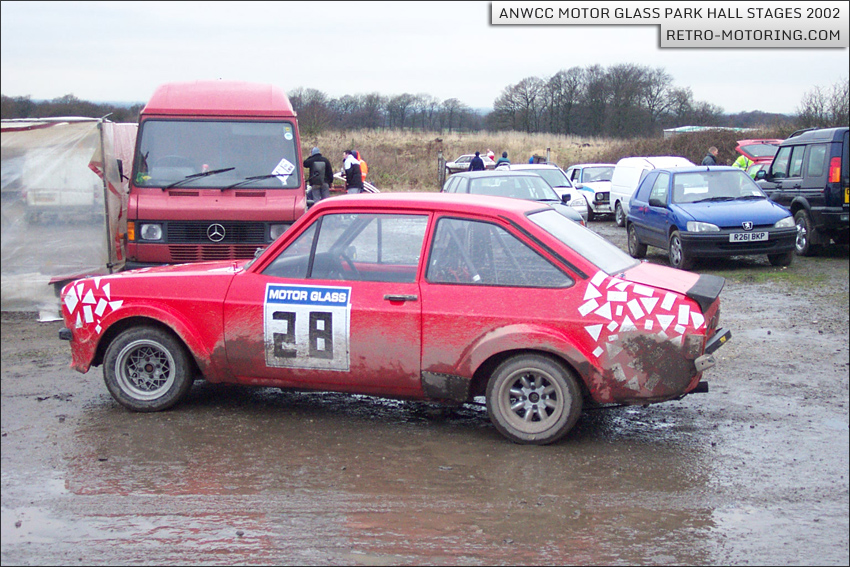
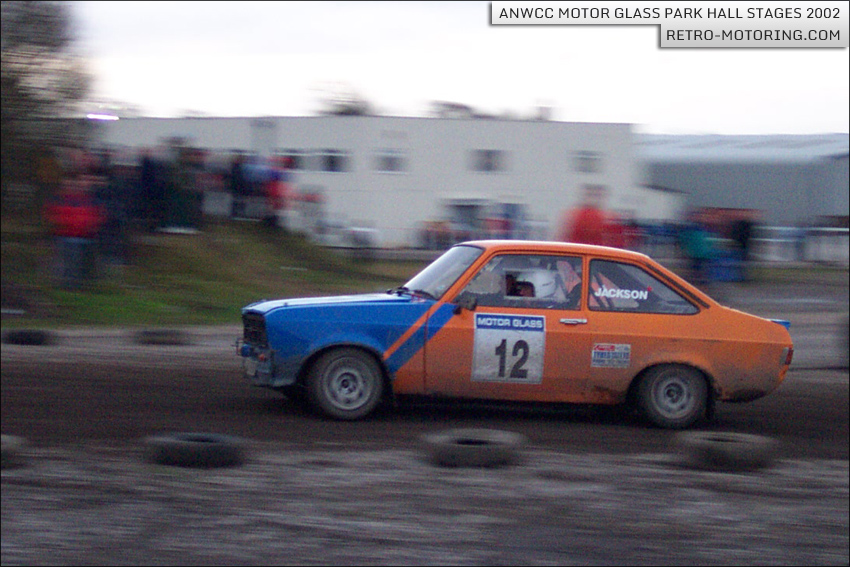
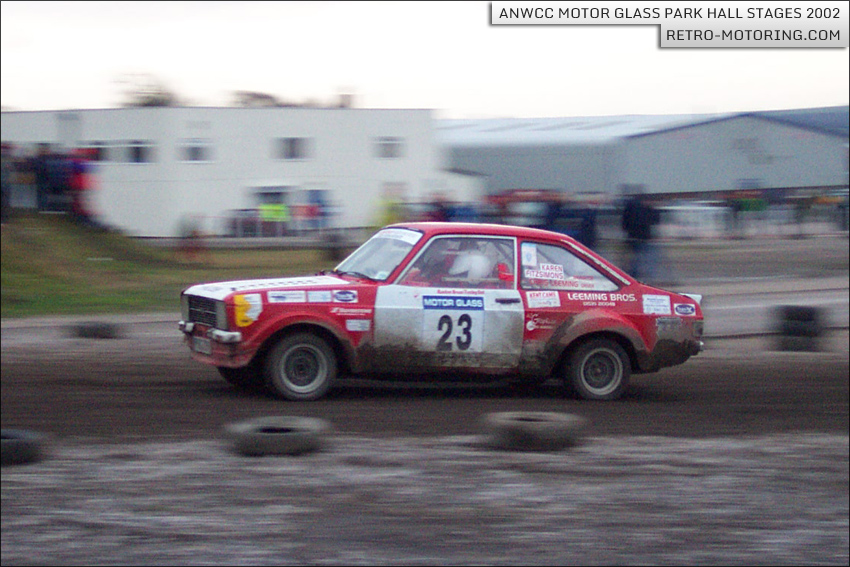
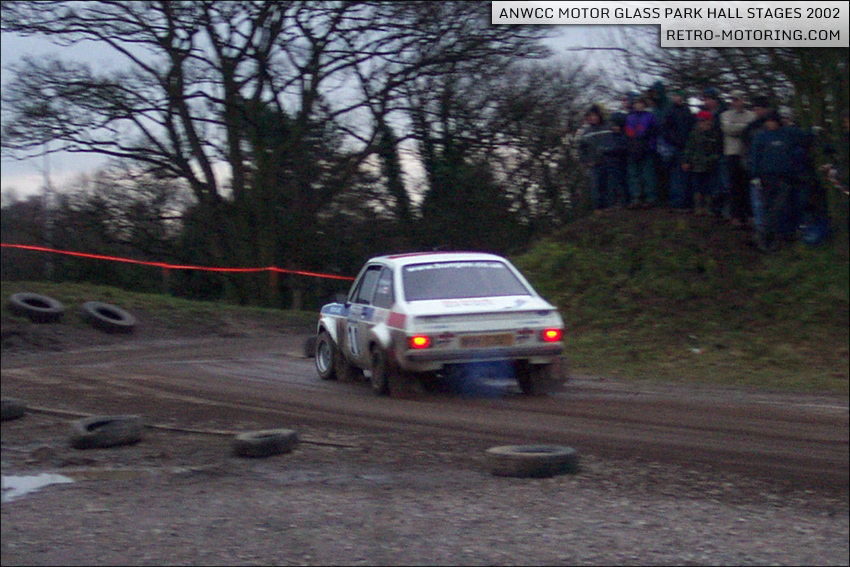
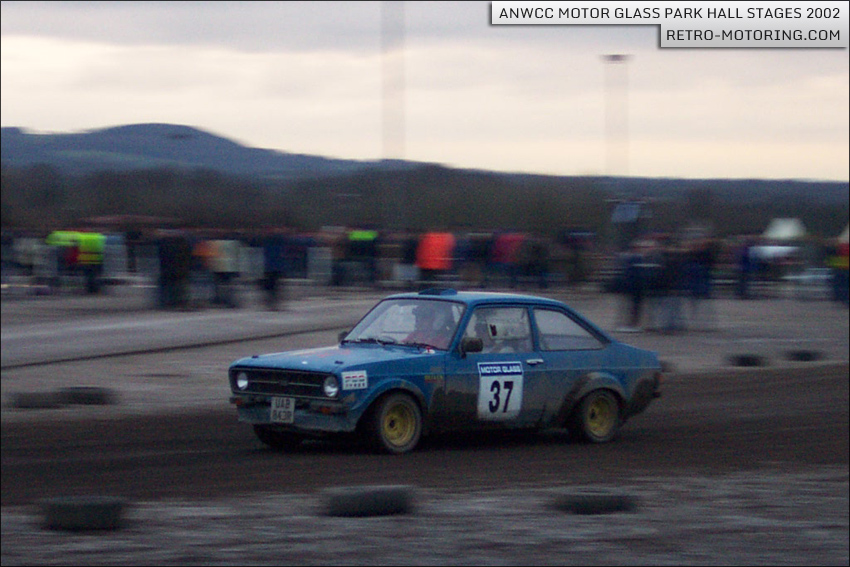
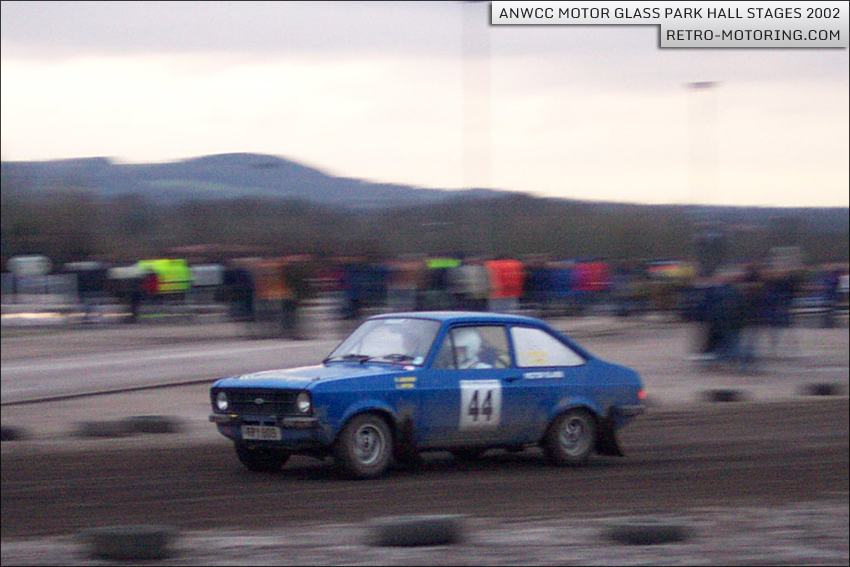
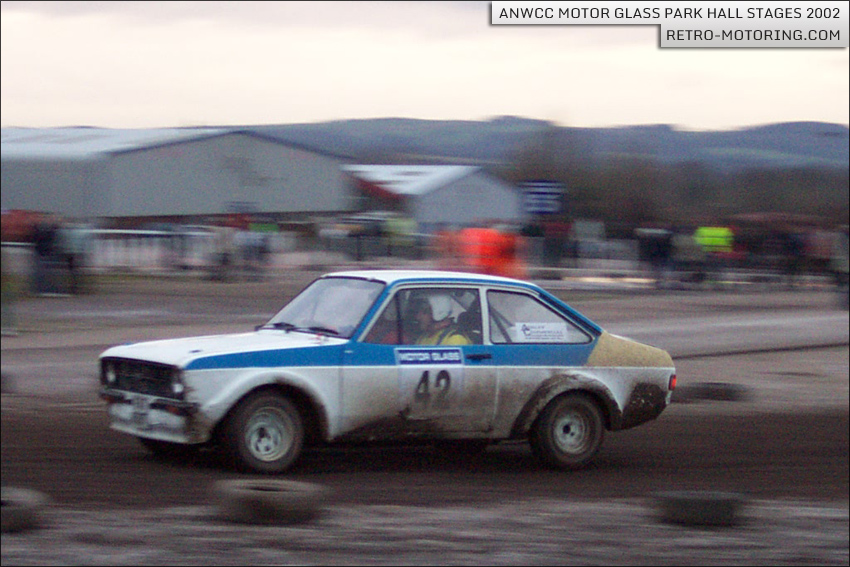
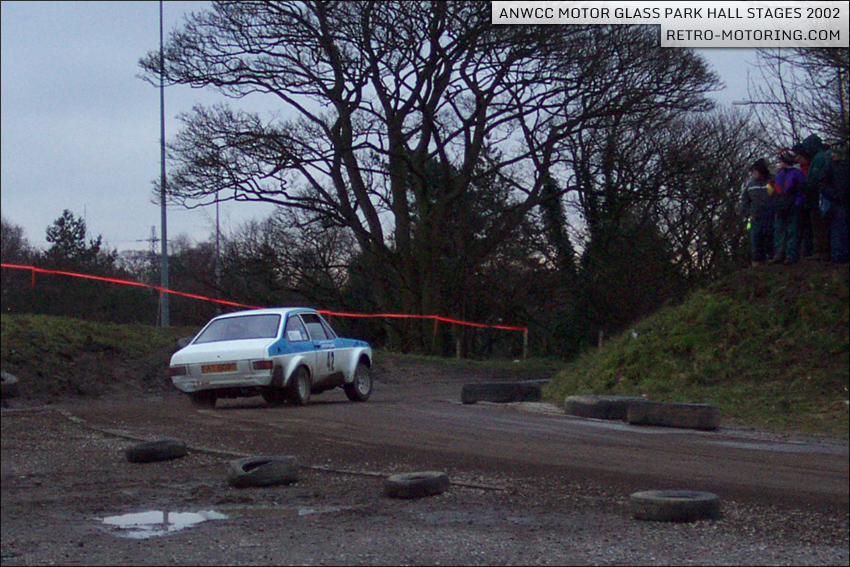
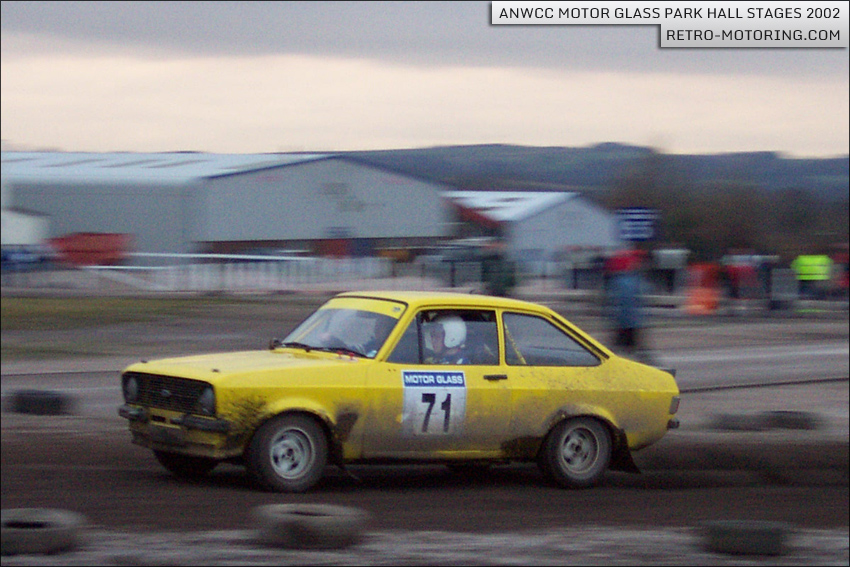
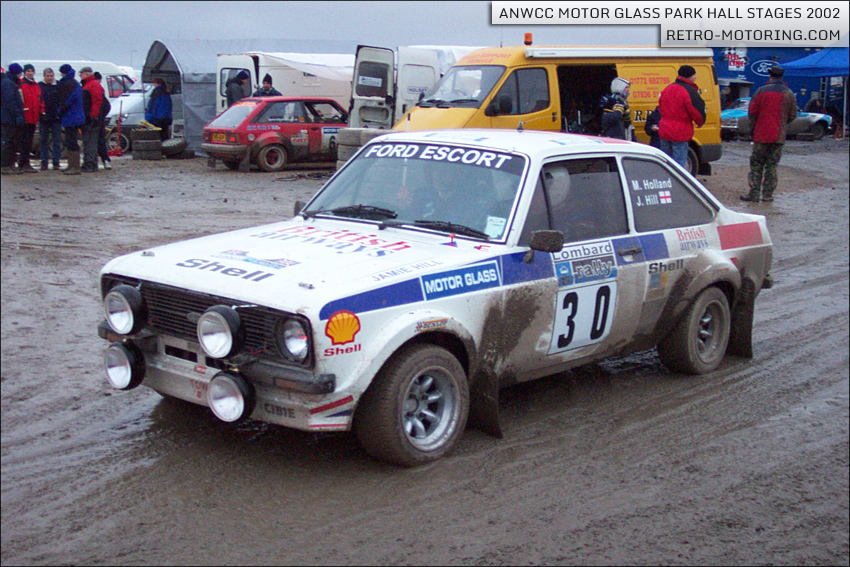
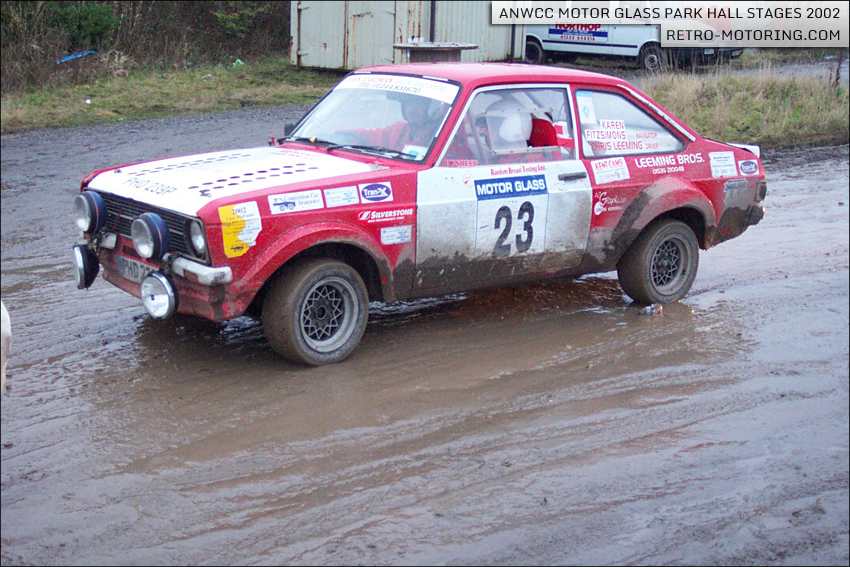
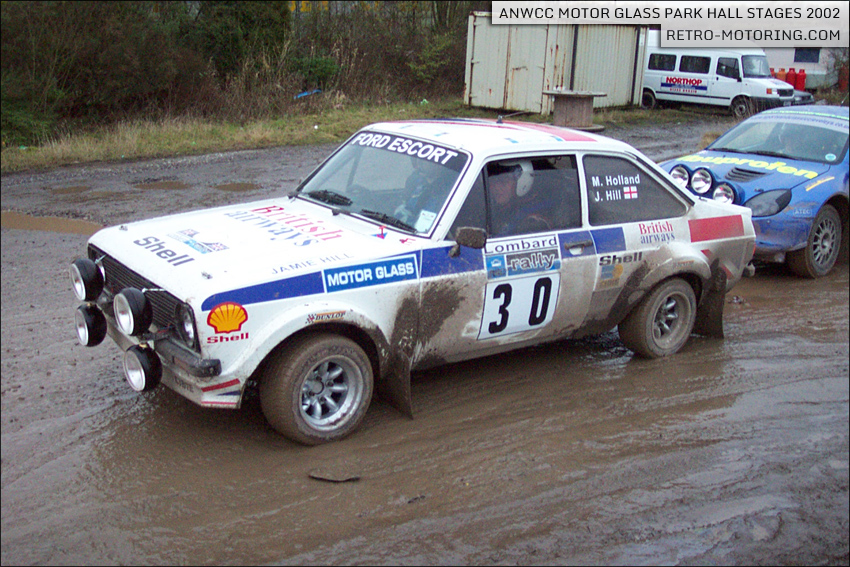
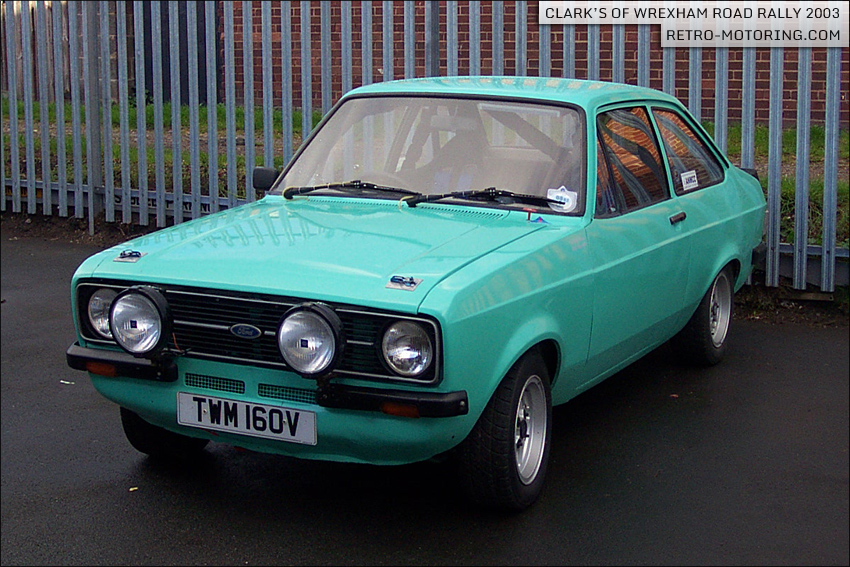
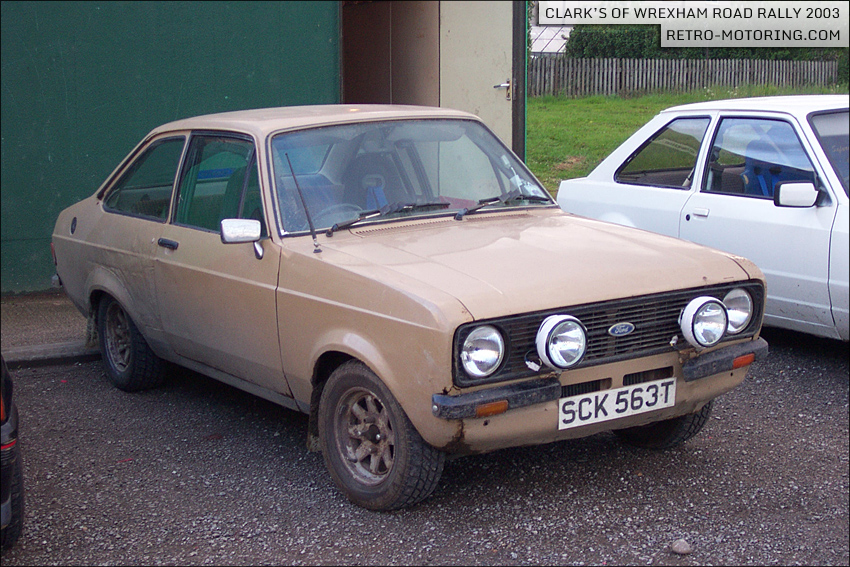
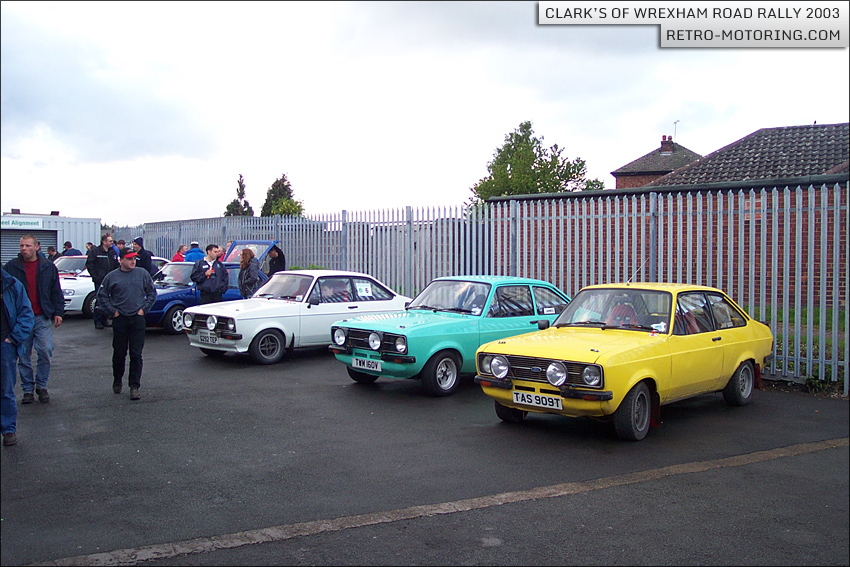
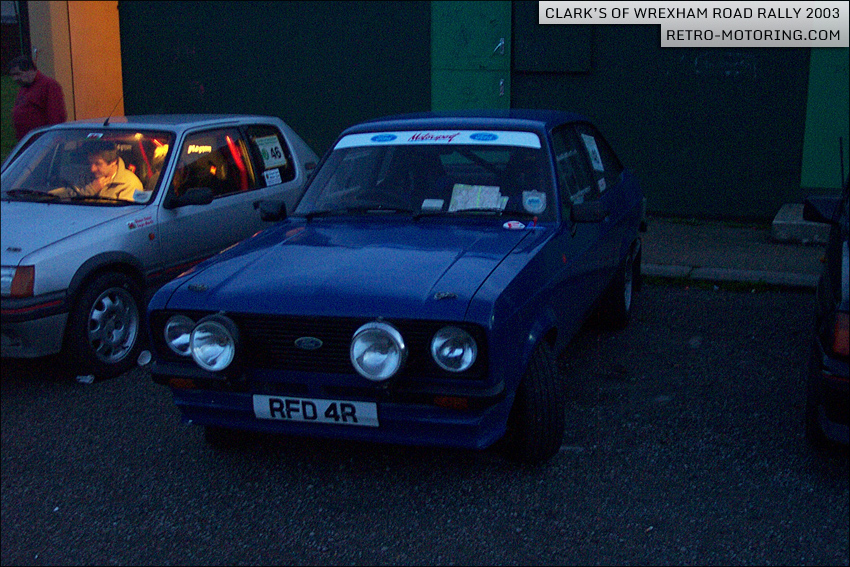
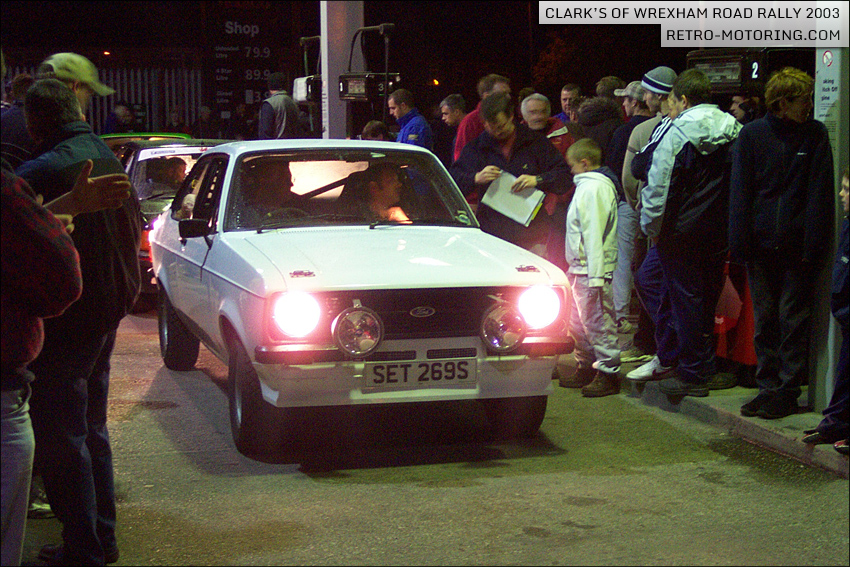
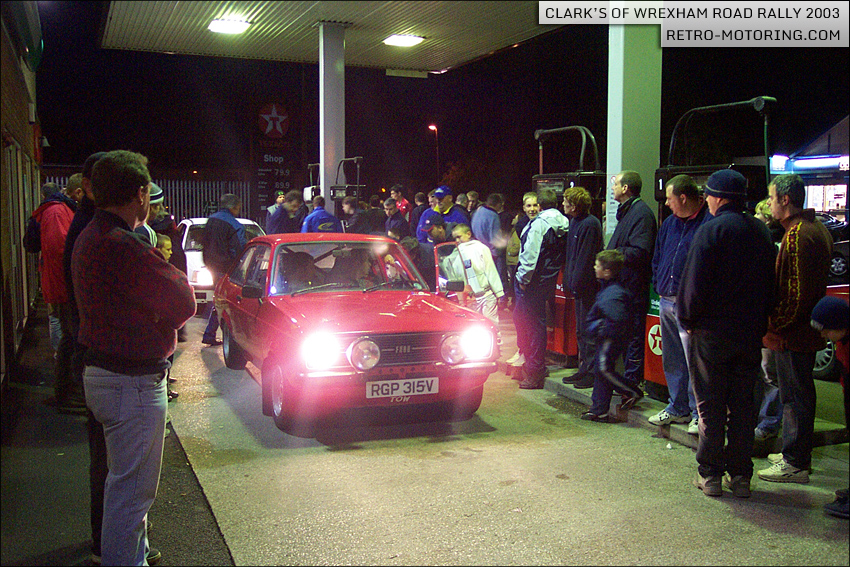
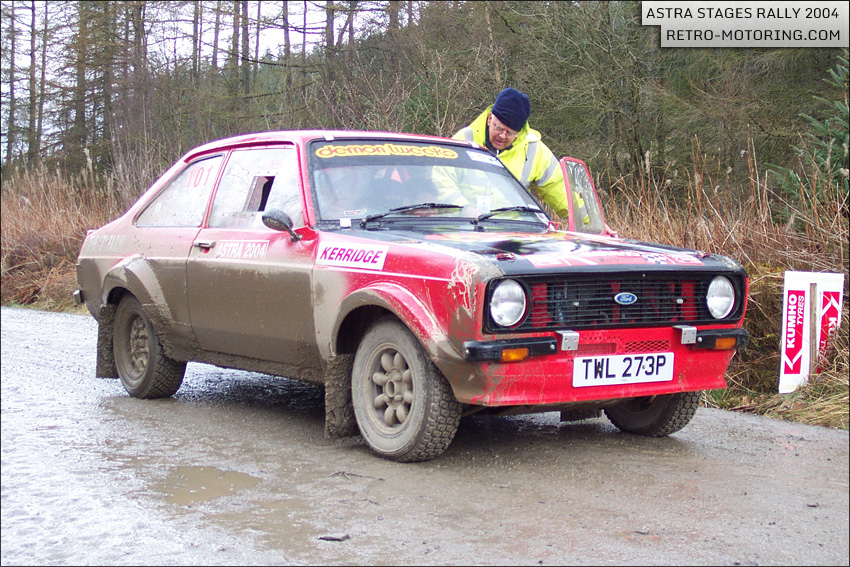
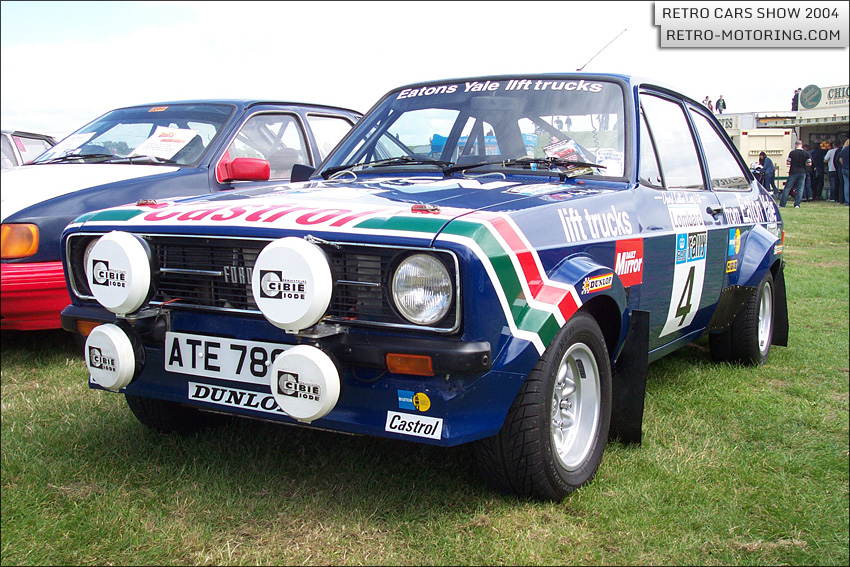
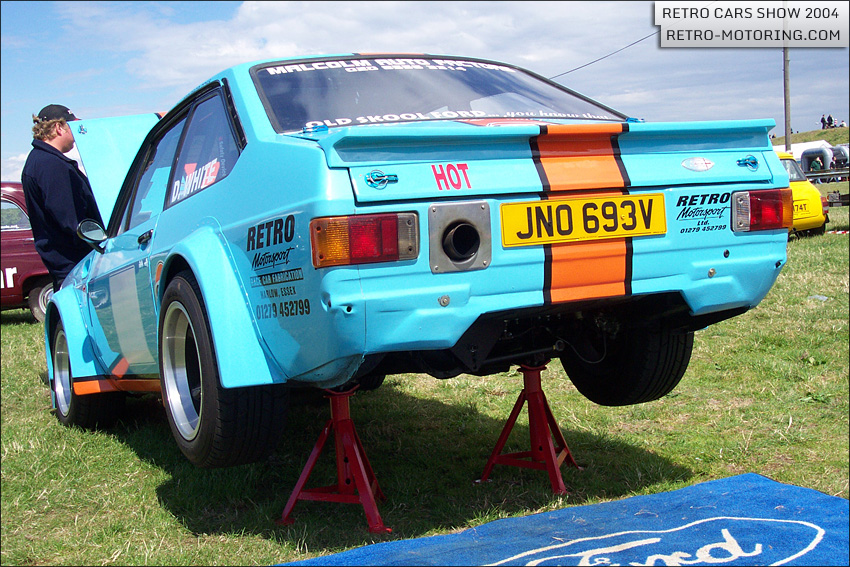
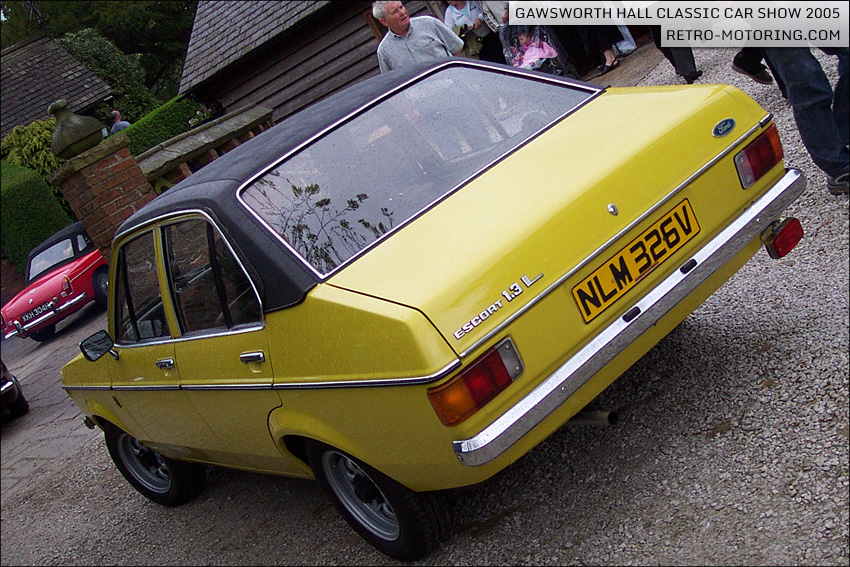
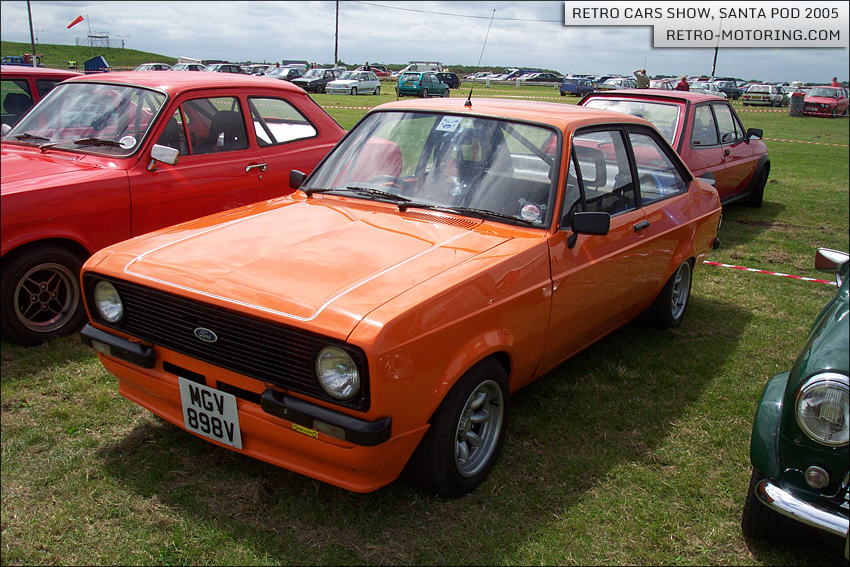
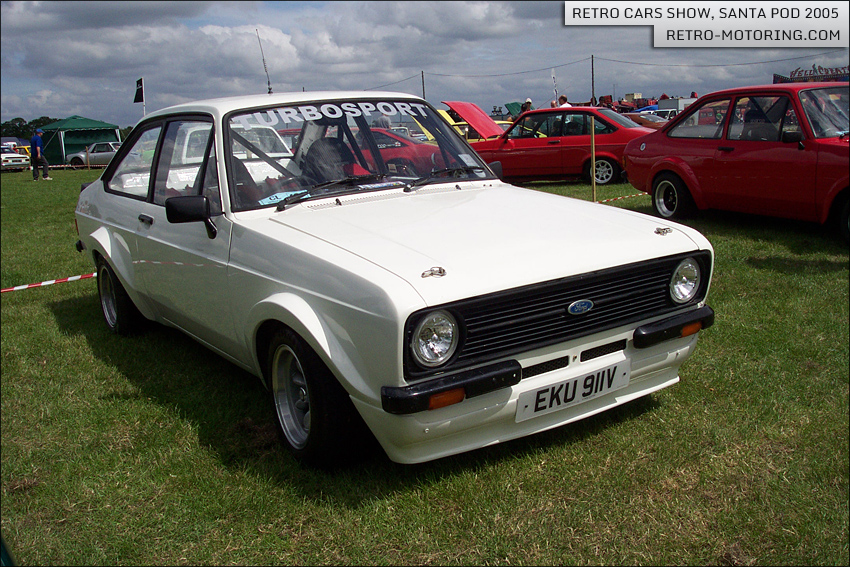
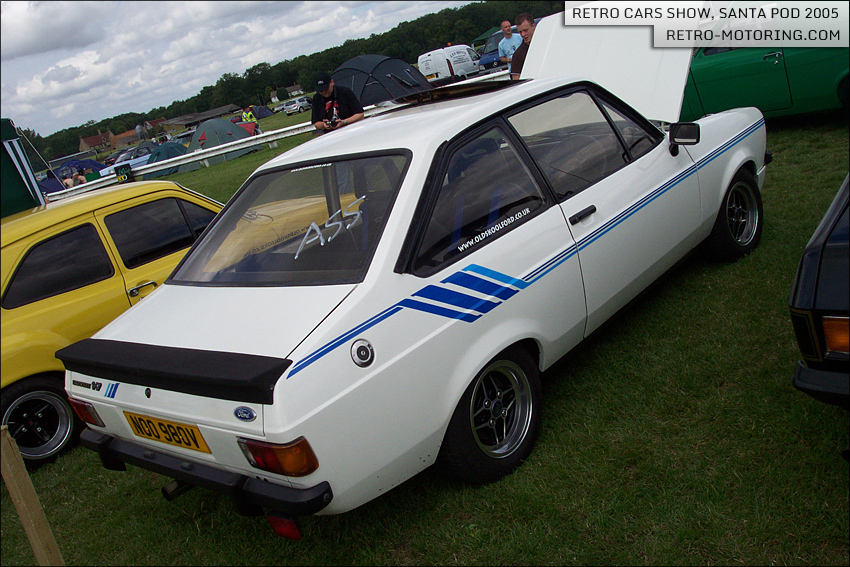
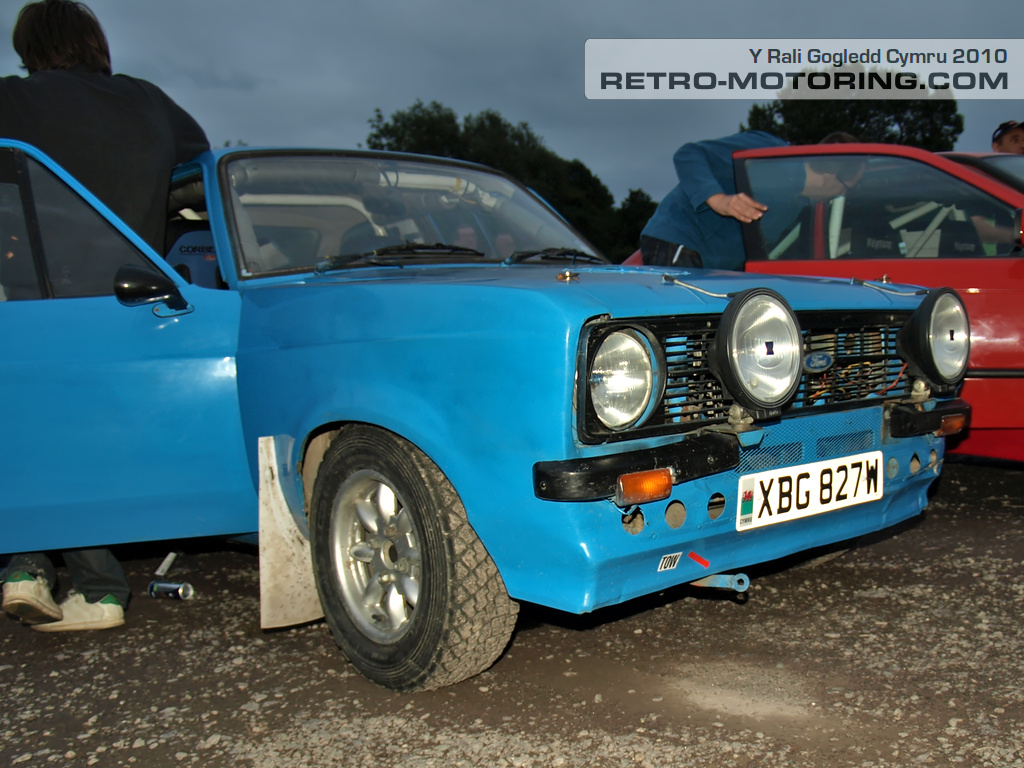
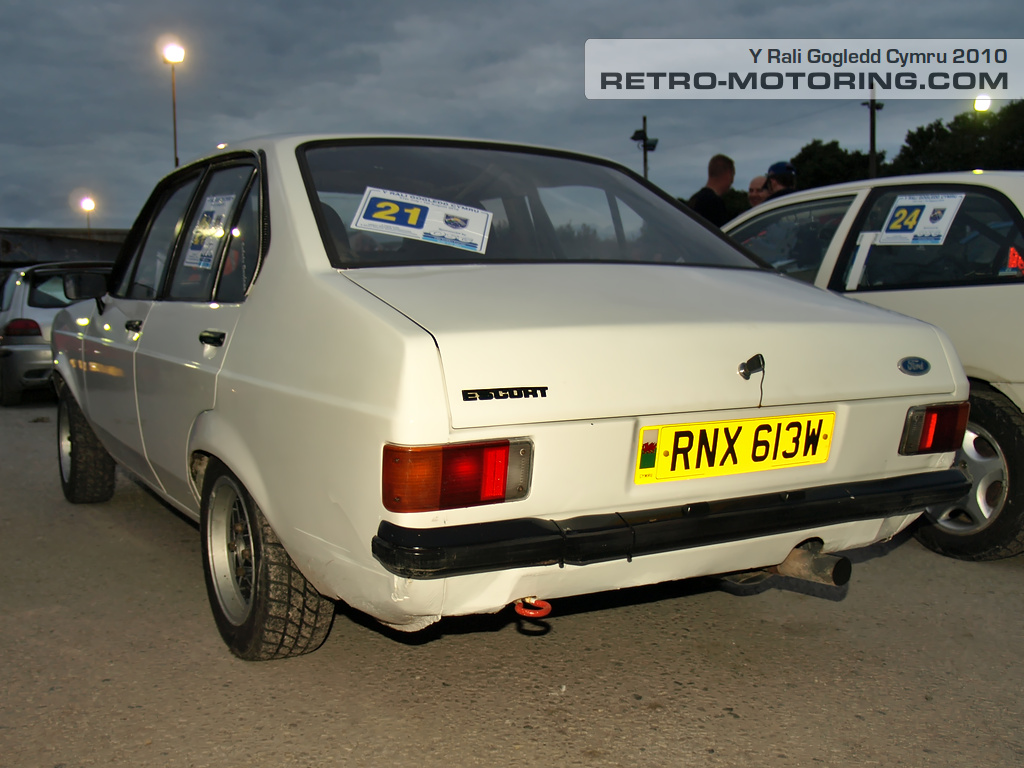
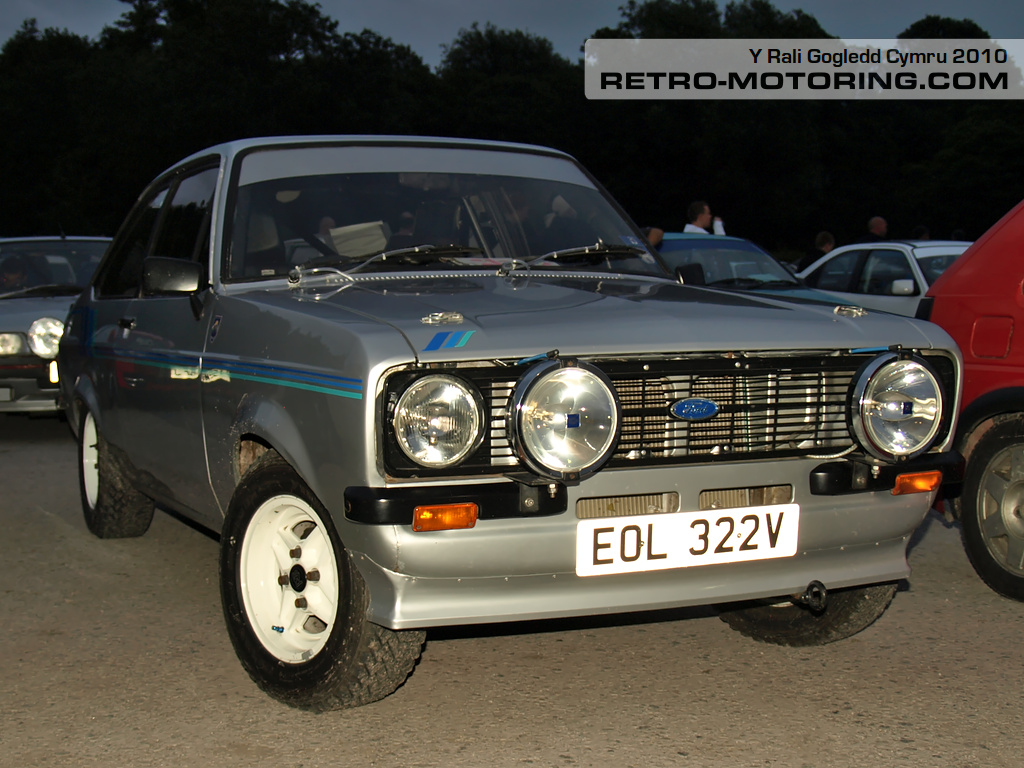
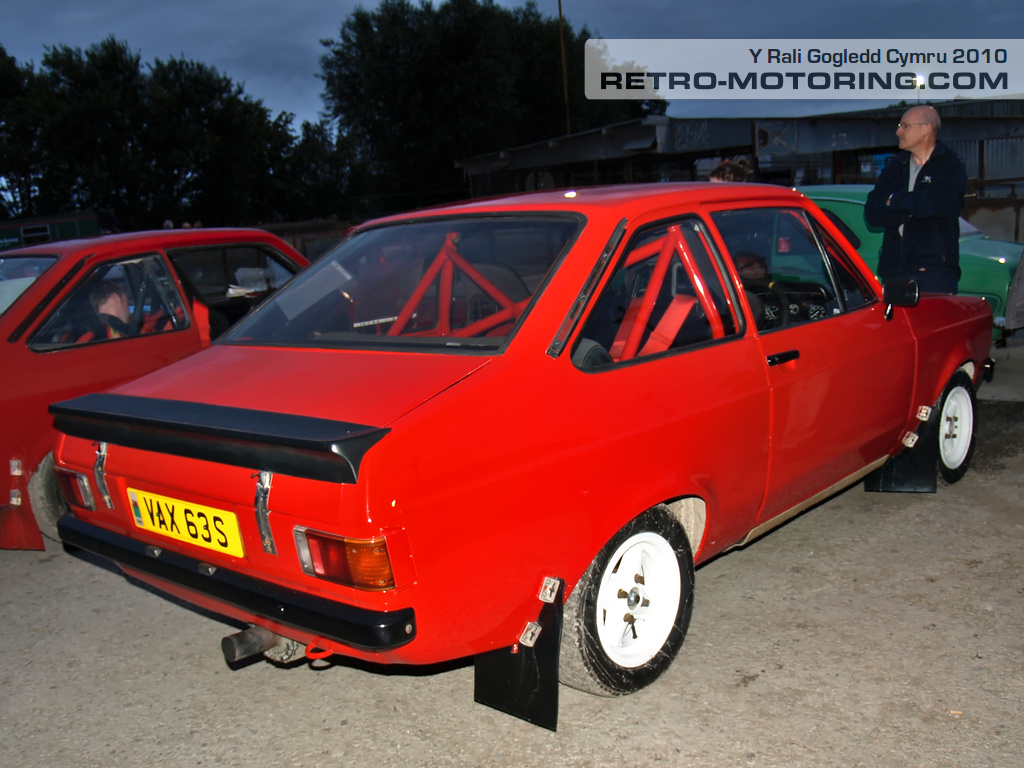
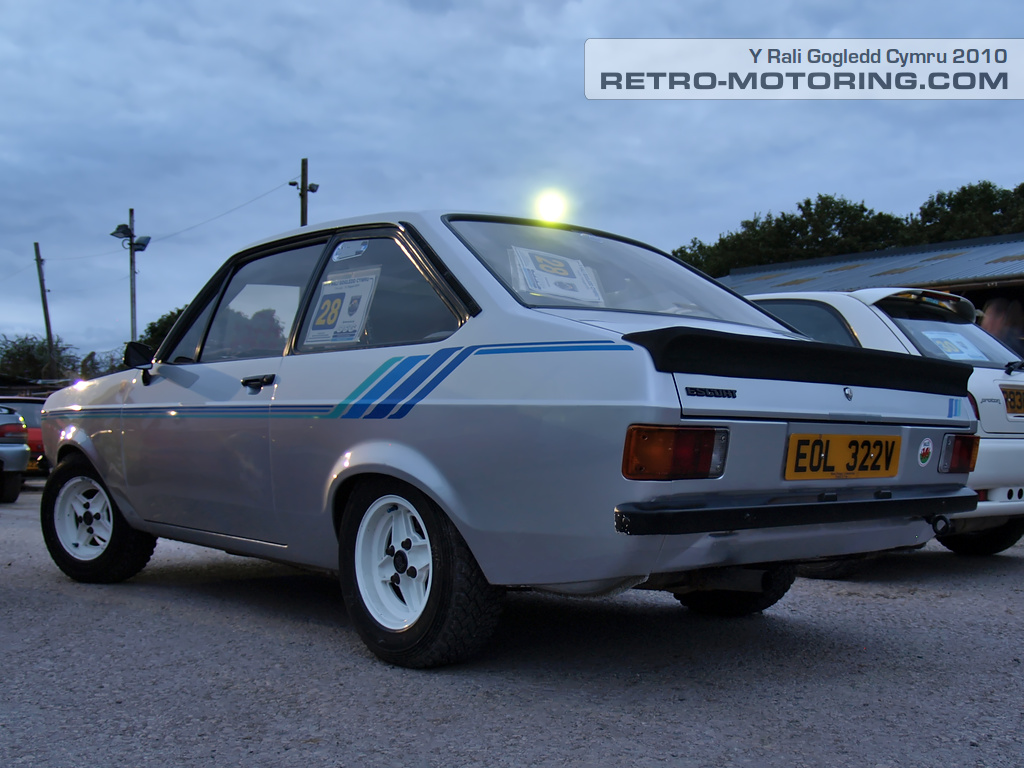
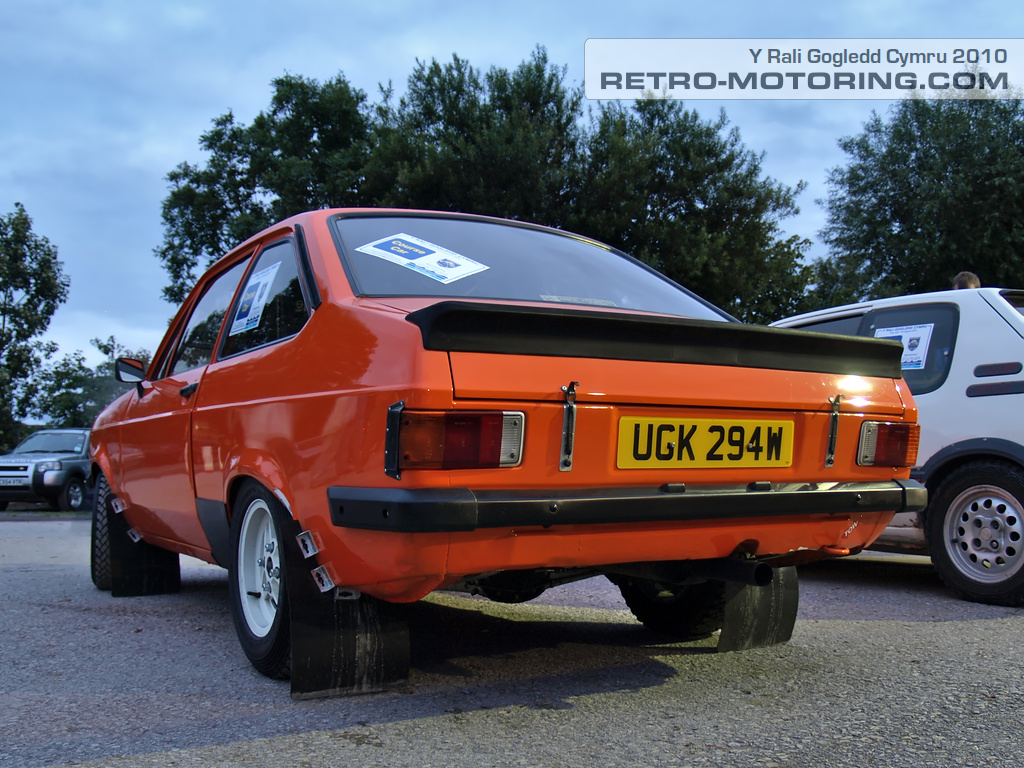
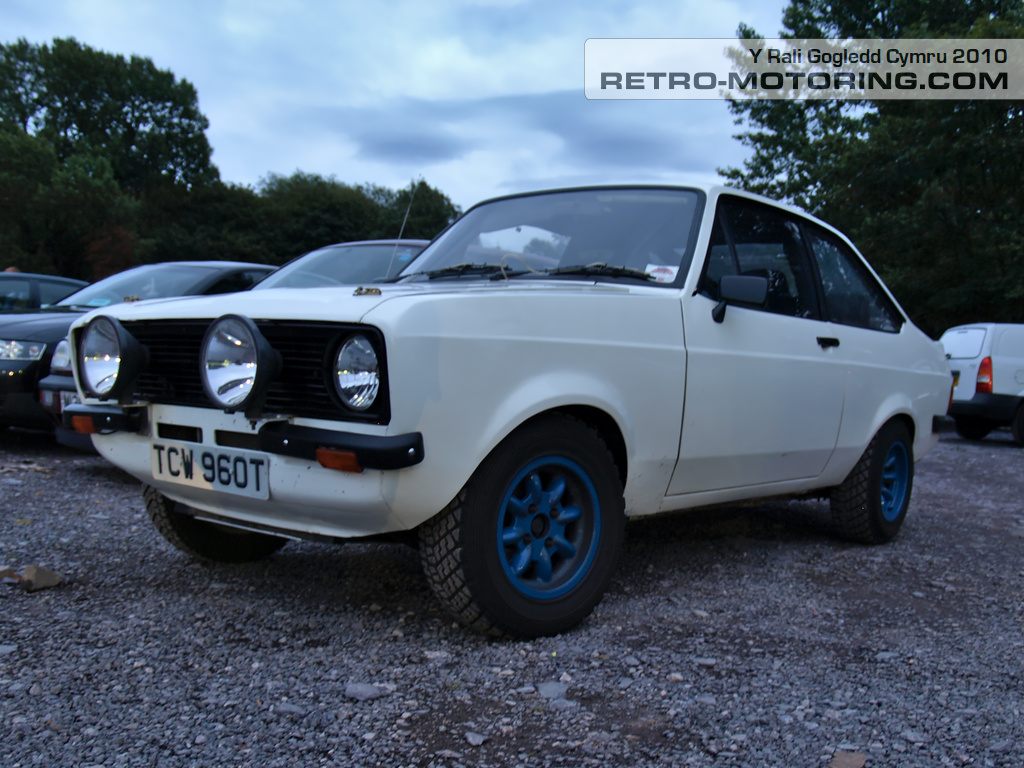
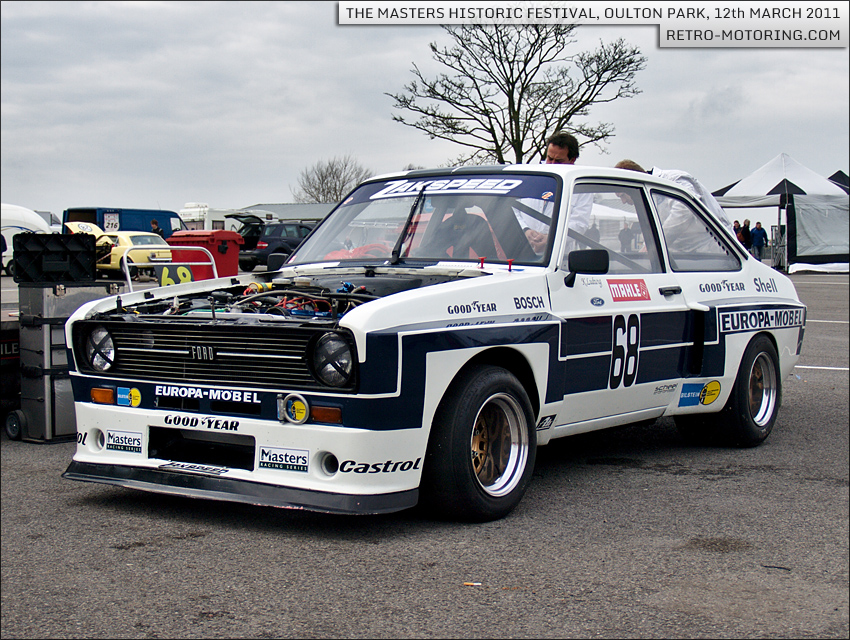
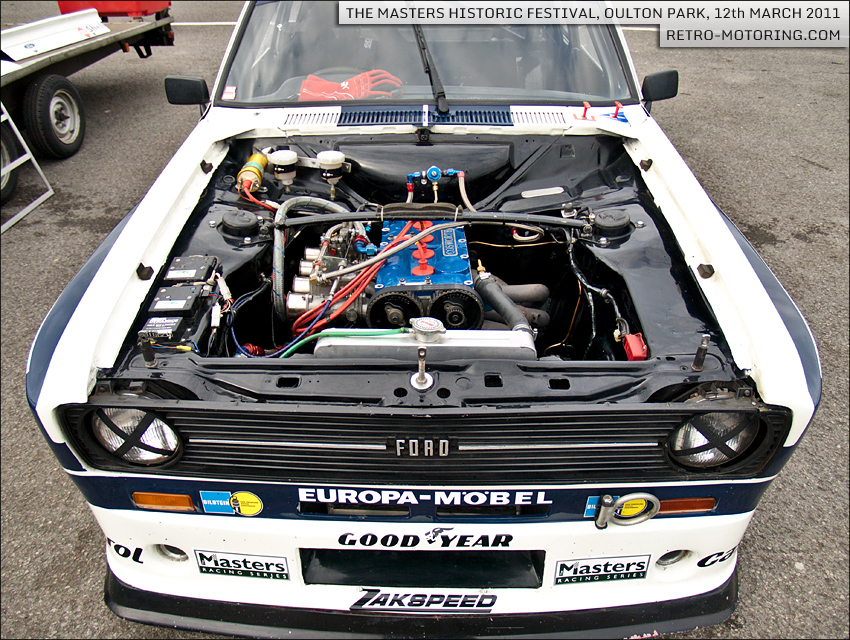
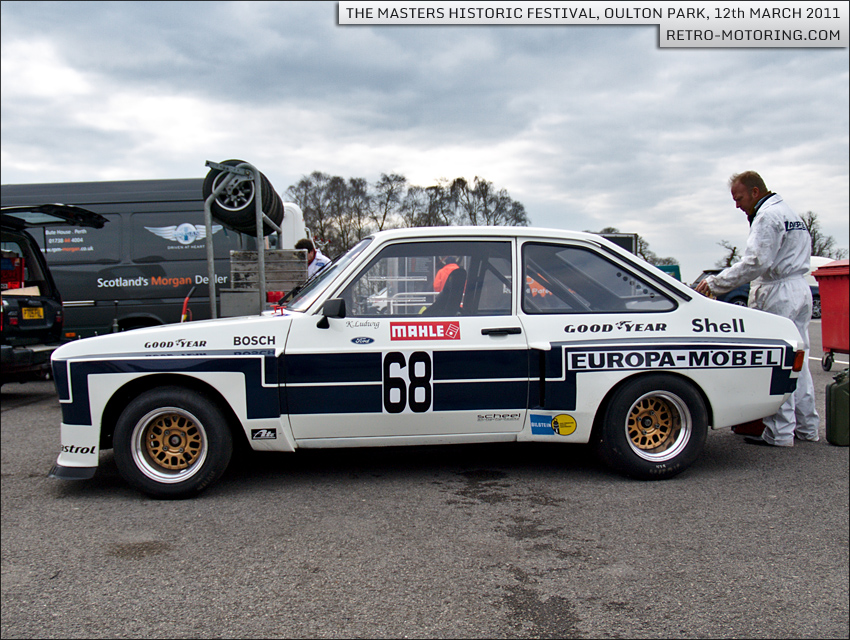
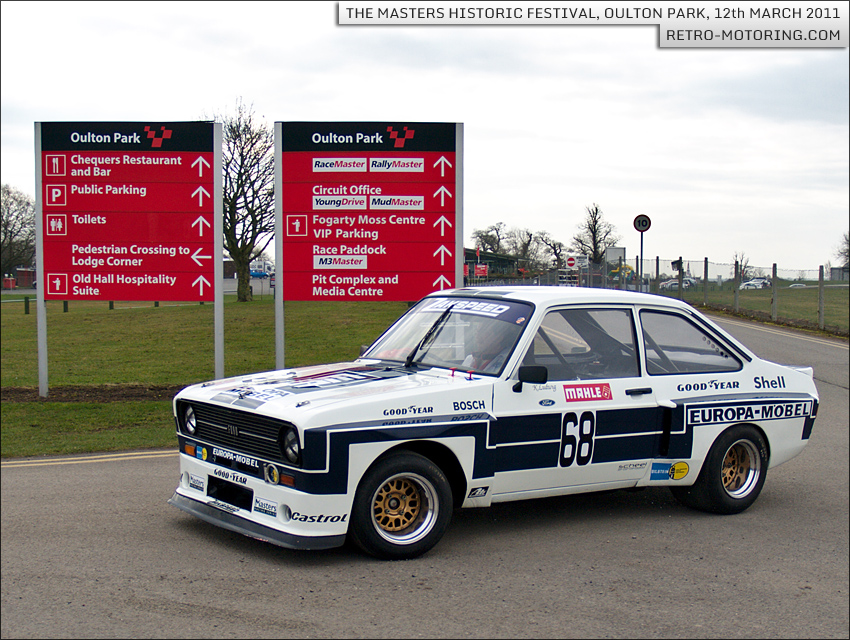
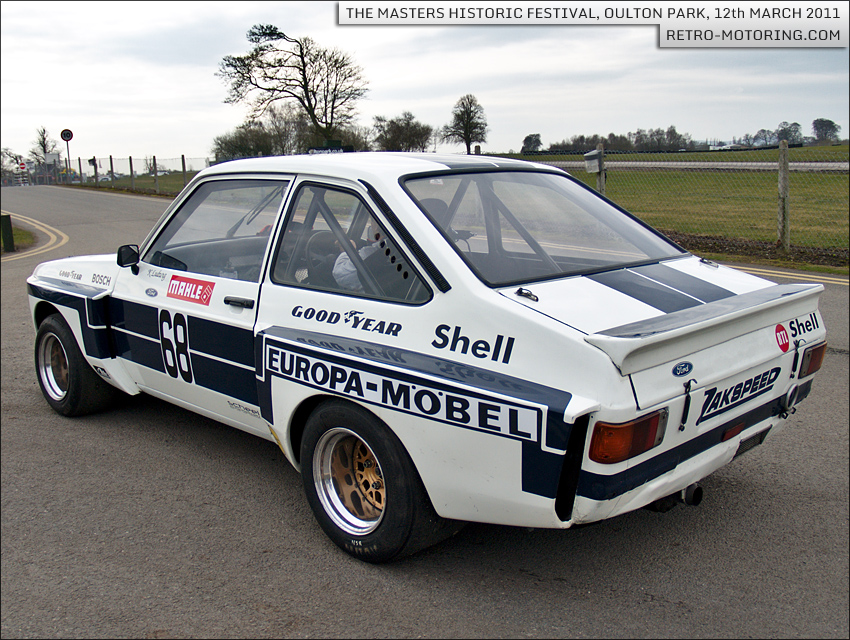
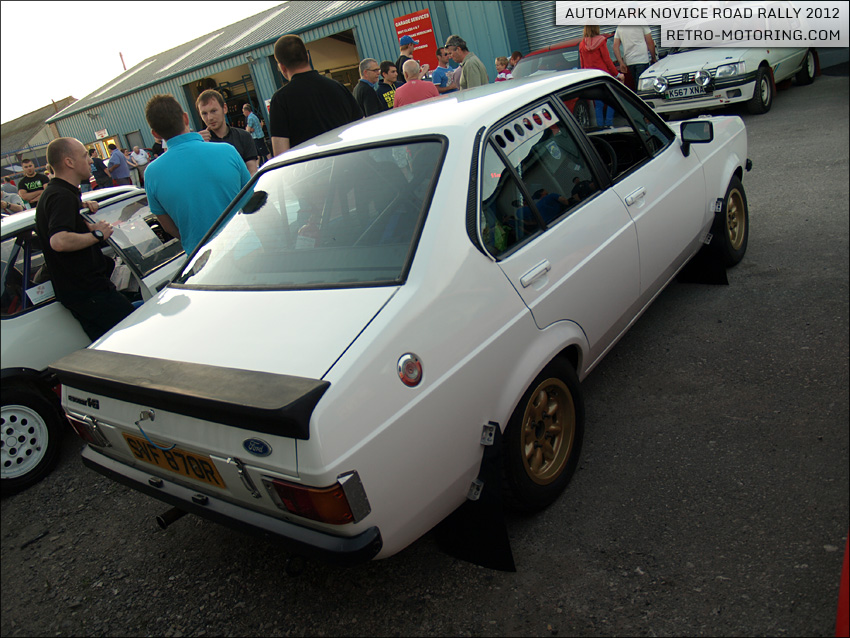
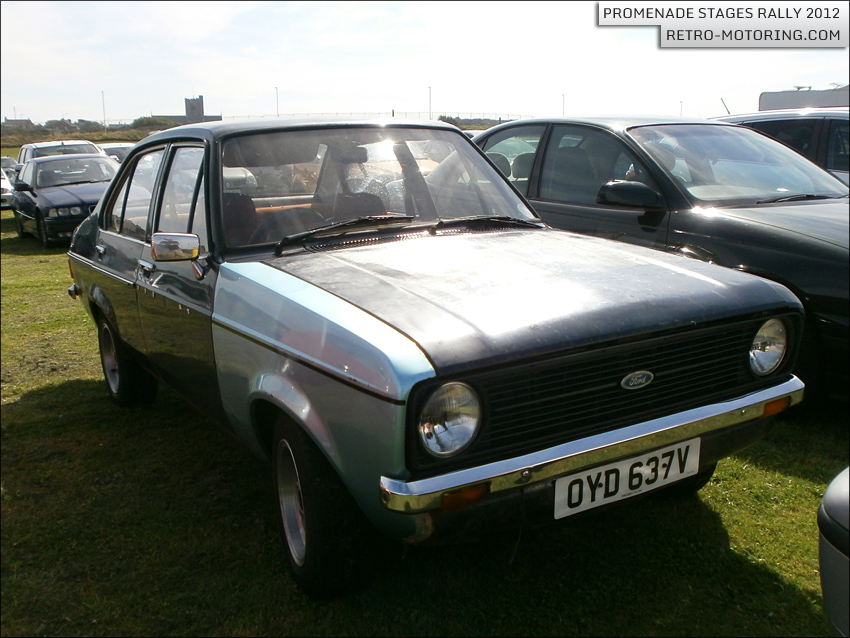
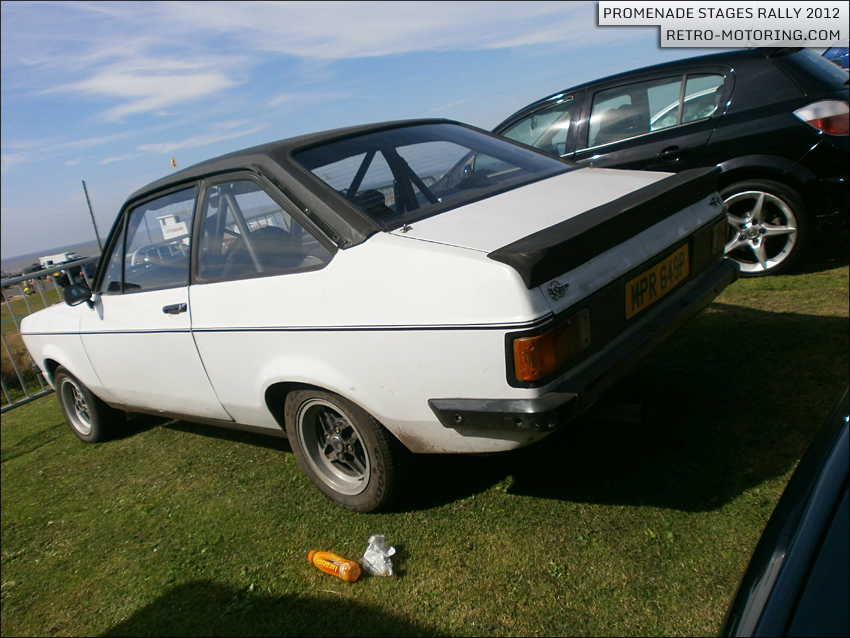
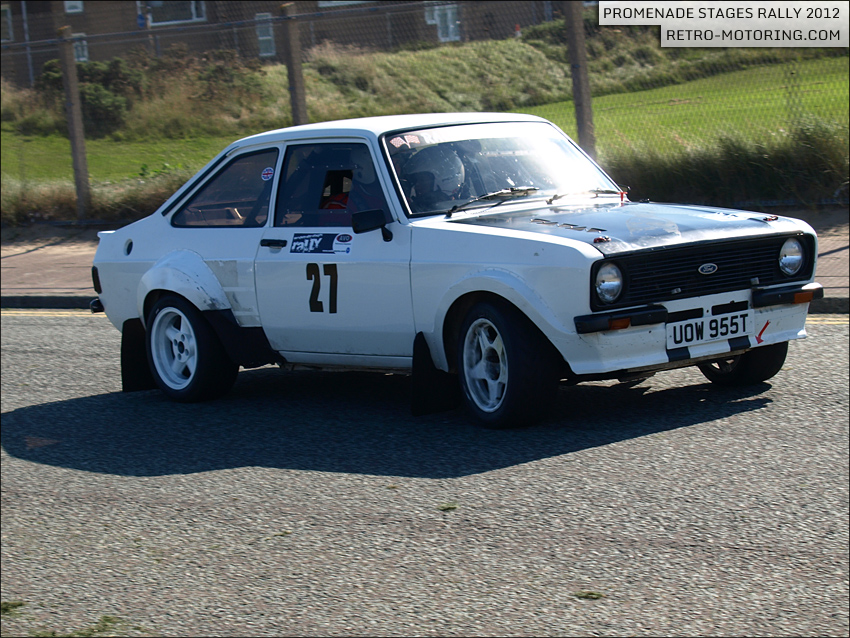
The Ford Escort Mk2 was introduced in 1975 as a comprehensive update of the hugely successful Mk1, keeping the proven mechanical layout but wrapped in a sharper, more modern body. Developed by Ford of Europe, the Mk2 was styled by Tom Tjaarda at Ghia and featured a squarer, more angular appearance with improved aerodynamics and visibility. Still based on a rear-wheel-drive platform with MacPherson struts and a live rear axle, the Mk2 kept things simple, robust, and highly tuneable. Engine options ranged from the 1.1- and 1.3-litre Kent units to the more potent 1.6-litre Crossflow and Pinto engines, depending on trim and market. The new body also improved cabin space, and the interior was upgraded with clearer instruments, better ventilation, and more modern materials.
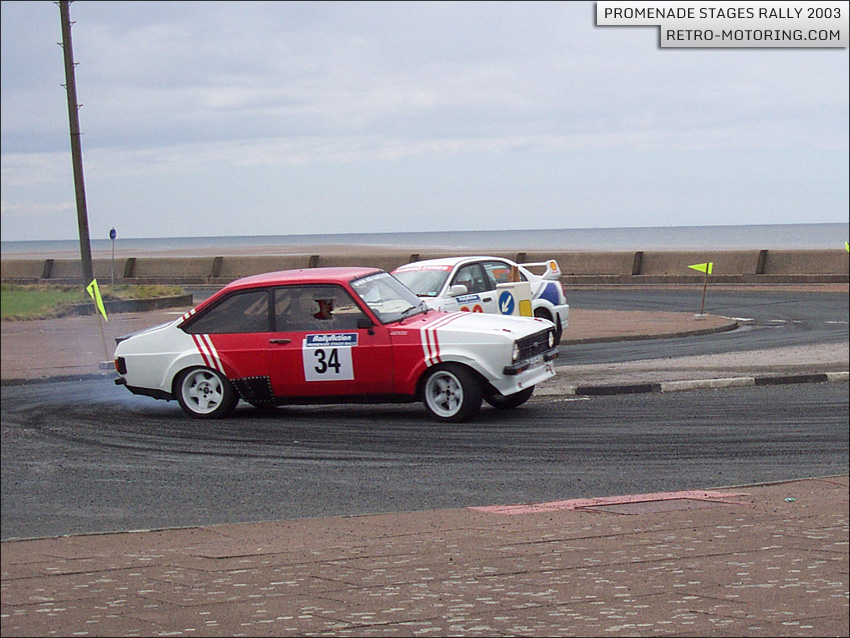
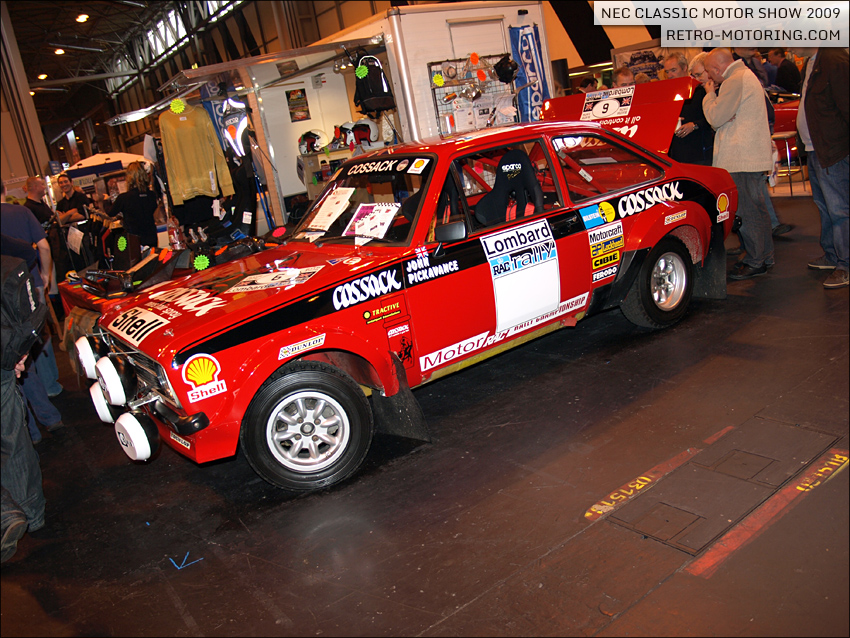
Like its predecessor, the Mk2 Escort was offered in a broad range of variants, including Base, L, GL, Ghia, and Sport models, as well as the famed RS versions. The RS1800, equipped with a 16-valve Cosworth BDA engine, became one of the most dominant rally cars of its era, winning numerous events including the World Rally Championship drivers’ title in 1979 with Björn Waldegård. The Mexico and RS2000 versions brought motorsport flavour to the road, with the RS2000’s bold “droop snoot” nosecone and 2.0-litre Pinto engine becoming especially iconic. Estate and van versions remained popular with tradesmen and families alike, offering practicality without sacrificing the Escort’s sharp driving character.
Magazine articles (6)
Magazine Articles
-
RS 1800 and 1600 Sport
Triple C impressions of the two performance cars in the Mk II Escort range
-
Giant Test
Ford Escort RS2000 v BMW 316 v Audi 80GT
-
Giant Test
Ford Escort RS1800 v Opel Kadett GT/E
-
Giant Test
Escort Ghia v Allegro Vanden Plas 1500
-
Giant Test
Fiat 131 Sport v Ford Escort RS2000
-
Escort Duty
Ford's perennial best seller should be an equally good buy on the second-hand market. We advise on how to pick the right model